For homeowners preparing for a roof replacement, uncertainty often centres on the installation process itself. Even those confident in their decision to choose metal roofing may wonder what will actually happen once work begins, how disruptive the project will be, and what steps are involved behind the scenes. Understanding the full installation process from start to finish helps homeowners set realistic expectations, reduce stress, and feel confident that each phase of the project is progressing as it should.
Metal roofing installation is more structured and methodical than many homeowners expect. Because it is an engineered system rather than a layered surface material, each step plays a specific role in long-term performance. Knowing what to expect allows homeowners to recognize quality workmanship and understand why certain steps cannot be rushed or skipped.
Preparation Before Installation Begins
The installation process starts well before the first panel is placed. Initial preparation involves inspecting the existing roof structure, confirming measurements, and ensuring that the home is ready for the new system. In some cases, old roofing materials may need to be removed, while in others, metal roofing can be installed over an existing surface if conditions allow.
This stage also includes planning for ventilation, underlayment selection, and detailing around roof penetrations. These decisions influence how the roof will perform over time and how well it manages moisture and temperature changes. Proper preparation ensures the installation proceeds efficiently and reduces the risk of delays once work begins.
Removal and Structural Readiness
If the existing roof is being removed, this phase involves stripping old materials and inspecting the decking beneath. The condition of the roof deck is critical, as it provides the foundation for the metal roofing system. Any damaged or compromised sections must be addressed before installation continues.
This step may reveal issues that were not visible beforehand, such as moisture damage or structural wear. While unexpected findings can feel concerning, addressing them at this stage prevents larger problems later and ensures the new roof performs as intended.
Underlayment and Moisture Protection
Once the structure is ready, underlayment is installed to provide an additional layer of moisture protection. Underlayment serves as a secondary barrier, helping manage condensation and protect the home if water ever penetrates the outer roofing layer.
The type of underlayment used depends on climate, roof design, and system requirements. This layer plays a crucial role in long-term durability, particularly in regions with temperature swings or high moisture exposure. Homeowners rarely see this component once installation is complete, but it is one of the most important elements of the entire system.
Panel Layout and System Planning
Before panels are installed, layout planning takes place to ensure alignment, spacing, and fastening points are correct. Metal roofing panels must be positioned precisely to allow for controlled expansion and contraction.
This planning stage affects both performance and appearance. Proper alignment ensures water sheds efficiently, fasteners function correctly, and the roof maintains a clean, intentional look. Rushed or careless layout can lead to issues that develop gradually over time, which is why this step requires attention and experience.
Installing the Metal Panels
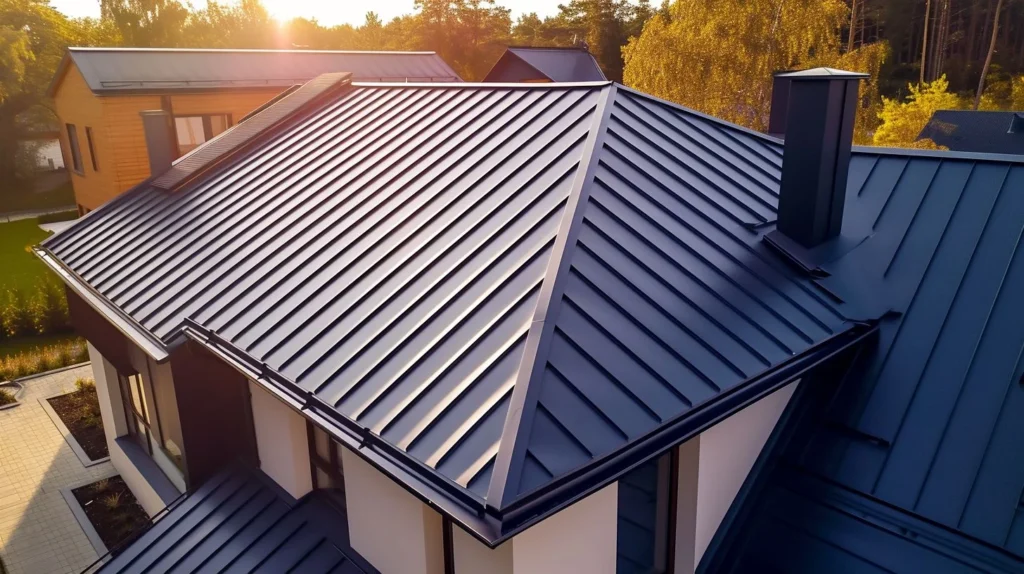
Panel installation is the most visible part of the process, but it is also one of the most technically demanding. Panels are secured according to system specifications, with fastening methods designed to allow movement while maintaining a secure connection to the structure.
Each panel must interlock or overlap correctly to form a continuous protective surface. Precision at this stage ensures the roof can handle weather, temperature changes, and long-term wear without developing stress points. While installation may appear straightforward from the ground, it involves careful sequencing and adherence to detailed specifications.
Flashing, Trim, and Critical Details
Flashing and trim installation is where many roofing systems succeed or fail. These components manage water flow around edges, valleys, chimneys, vents, and other penetrations. Proper flashing prevents leaks and protects vulnerable areas where water is most likely to enter.
In metal roofing systems, flashing is often custom-formed to integrate seamlessly with panels. This level of detailing is essential for performance and longevity. Homeowners may not notice these elements immediately, but they are critical to preventing future issues.
Managing Expansion and Contraction
One of the defining characteristics of metal roofing is its ability to expand and contract with temperature changes. During installation, allowances are built into the system to accommodate this movement safely.
Fasteners, clips, and panel design work together to ensure the roof can move without warping, loosening, or stressing the structure. When handled correctly, this movement is silent and harmless. Understanding that this behaviour is intentional helps homeowners appreciate the engineering behind the system.
Clean-Up and Final Inspection
Once installation is complete, the site is cleaned thoroughly. Metal shavings, fasteners, and debris must be removed to prevent surface damage or corrosion. A final inspection ensures panels are secure, flashing is properly installed, and the roof performs as intended.
This inspection phase is also an opportunity to review the finished system and address any final questions. A properly completed metal roofing installation should look clean, intentional, and uniform, with no exposed vulnerabilities.
What Homeowners May Notice After Installation
After installation, homeowners may notice subtle changes such as improved indoor comfort or different sound characteristics during rain. These differences are typically minimal and reflect how the new system interacts with the home.
It is also normal for homeowners to become more aware of their roof initially, simply because it is new. Over time, the roof settles into its role as a low-maintenance, protective system working quietly in the background.
Long-Term Confidence Comes From Understanding the Process
A metal roofing installation is not a single event, but a sequence of carefully executed steps designed to deliver long-term performance. Homeowners who understand this process are better positioned to evaluate workmanship, ask informed questions, and feel confident in their investment.
Knowing what to expect from start to finish transforms the experience from uncertainty to clarity. When installed properly, metal roofing provides decades of protection, durability, and value, making the installation process itself a critical part of that long-term success.