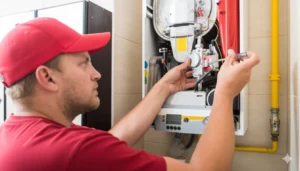
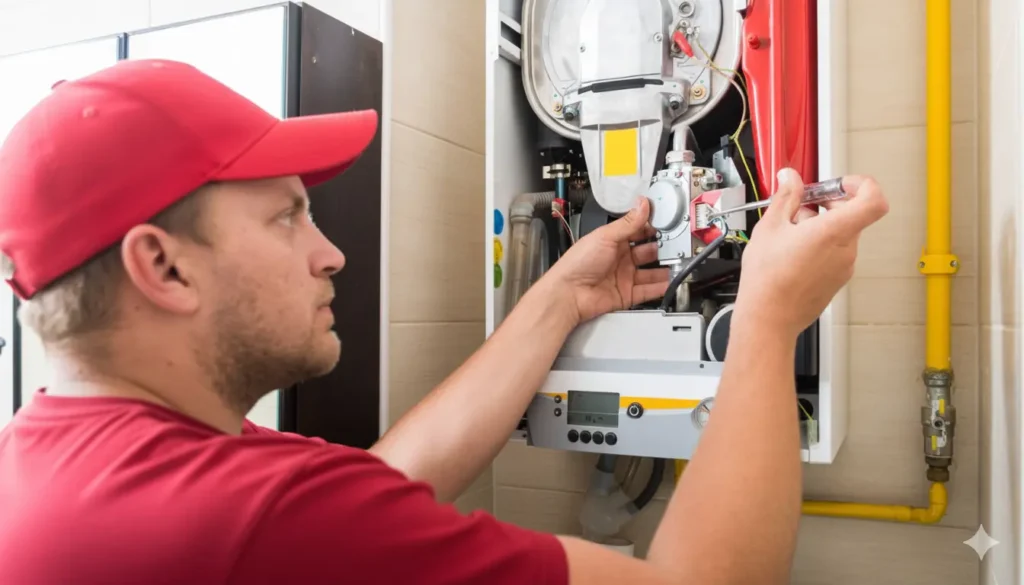
When a furnace begins to show signs of trouble in winter, many homeowners are tempted to delay repairs. The system may still be producing heat, energy bills may seem manageable, or the issue may appear minor compared to the inconvenience of scheduling service. Unfortunately, winter is the worst possible time to postpone action. Delaying furnace repair during the heating season often turns small, manageable issues into costly emergencies, especially when Canadian temperatures continuously strain the system.
What begins as a subtle performance issue can escalate quickly when a furnace is forced to operate at peak capacity day after day. Understanding why delays are so costly helps homeowners make informed decisions before problems spiral out of control.
Minor Issues Rarely Stay Minor in Winter
Furnaces operate under the most stress during winter, cycling frequently and running for long periods without rest. Components that are already worn or slightly misaligned are pushed beyond their tolerance. A loose electrical connection, a struggling blower motor, or a dirty sensor may allow the furnace to continue operating for a short time, but extreme cold accelerates deterioration.
When these issues are ignored, they often cascade into multiple component failures. A repair that could have been straightforward early in the season can evolve into a much larger, more expensive problem once additional parts are affected.
Emergency Repairs Come With Higher Costs
Winter breakdowns often occur during cold snaps, when demand for service is at its highest. Emergency furnace repair typically involves after-hours calls, expedited diagnostics, and urgent part replacements, all of which contribute to higher costs.
Beyond service fees, homeowners may also face temporary heating expenses, such as space heaters or alternative accommodations, if repairs cannot be completed immediately. These indirect costs add up quickly and are rarely considered when a homeowner initially decides to “wait it out.”
Prolonged Operation Worsens Component Damage
When a furnace is struggling, continued operation often causes collateral damage. For example, restricted airflow can overheat heat exchangers, while ignition issues can strain control boards and safety sensors. What could have been a single-component repair becomes a multi-part replacement.
Winter conditions leave little room for system recovery. Components do not have the opportunity to cool down or reset between cycles, making wear more aggressive. Delaying repairs allows damage to spread rather than remain isolated.
Increased Energy Bills Signal Rising Costs
One of the earliest signs of furnace trouble is a sudden increase in energy bills. When a furnace is not operating efficiently, it consumes more fuel to produce the same amount of heat. Many homeowners accept these increases as unavoidable winter expenses, not realizing they are paying more each month for declining performance.
Over the course of winter, these added energy costs can rival the price of timely furnace repair. Addressing inefficiencies early not only restores comfort but also prevents ongoing financial waste.
Risk of Complete System Failure During Cold Weather
The longer furnace issues are ignored, the greater the risk of total system failure. A furnace that shuts down completely during a cold snap creates an urgent situation where comfort, safety, and property protection are all at stake.
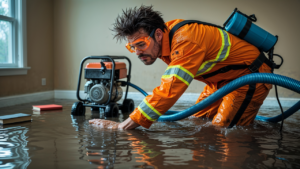
Frozen pipes, water damage, and unsafe indoor temperatures can occur quickly in Canadian winters. The cost of these secondary issues often far exceeds the cost of prompt furnace repair. Delaying action increases the likelihood of facing these risks.
Safety Concerns Increase With Delayed Repairs
Furnace issues are not always limited to comfort or efficiency. Cracked heat exchangers, improper combustion, and blocked venting can create serious safety hazards if left unaddressed.
Delaying furnace repair increases the risk of carbon monoxide exposure and poor indoor air quality. Winter conditions exacerbate these risks, as homes are sealed tightly to retain heat, limiting fresh air circulation. Addressing problems promptly protects both the home and its occupants.
Parts Availability Becomes a Factor in Winter
During peak heating season, certain furnace parts may be in high demand. Delaying repairs increases the chance that needed components will be backordered or require longer delivery times.
Early intervention often allows for planned repairs using readily available parts. Waiting until failure occurs can result in longer downtime and additional inconvenience while parts are sourced under urgent conditions.
Repair Delays Can Shorten Furnace Lifespan
Operating a furnace in a compromised state places excessive stress on the entire system. Over time, this stress reduces the overall lifespan of the furnace, bringing replacement closer than necessary.
Timely furnace repair preserves the health of the system, allowing it to operate within designed parameters. This not only saves money in the short term but also delays the need for premature replacement.
Why Winter Is the Wrong Time to Take Chances
Winter offers no margin for error when it comes to heating. Even small furnace issues can have immediate consequences when temperatures are extreme. The cost of waiting is rarely limited to the repair itself; it extends to comfort loss, safety risks, and potential property damage.
Homeowners who address furnace problems as soon as they appear are better positioned to avoid emergency scenarios and maintain stable heating throughout the season.
Acting Early Is the Most Cost-Effective Choice
Delaying furnace repair in winter often feels like a way to avoid expense, but it typically achieves the opposite result. Early intervention prevents escalation, controls costs, and ensures the system is ready to meet winter demands.
By responding promptly to warning signs, homeowners can protect their investment, maintain comfort, and avoid the compounding costs that come with winter furnace failures. Furnace repair is most affordable when it is proactive rather than reactive.