 admin
admin Many people think that a desert city will never have a problem with termites. Sadly, homes in Phoenix a constant risk. Termites adapt well to dry climates and often search for shelter and moisture inside structures. They can cause damage that may start out of sight, so early warning signs must not be ignored. Spotting issues early can help you maximize termite control in Phoenix to save money.
Phoenix supports several termite species, with subterranean termites as the most common. These insects live underground and build mud shelter paths to reach wood. Desert soil stays warm most of the year, which helps colonies stay active. Moisture can come from irrigation systems, plumbing, and shaded foundations. Many homes in the area also feature wood framing that rests close to the soil. This design allows termites to easily access homes once they find a food source. Below are sigs of termite activity that should be addressed as soon as possible:
Mud Tubes Along Foundations or Walls
Mud tubes appear along foundations, garage walls, or crawl spaces. Termites use them to travel between soil and wood to stay protected from heat and air.
Check exterior walls and interior areas where concrete meets wood. Break a small section of any tube you find. Termites may be active nearby if the broken tubes are rebuilt.
Hollow or Damaged Wood Surfaces
Termites feed from the inside out, which leaves wood surfaces intact. Tap wooden trim, baseboards, or door frames with a screwdriver handle. A hollow sound often signals damage beneath the surface. You may also notice wood that feels soft or crumbles under light pressure. This type of damage may be noticed near bathrooms, kitchens, or exterior walls.
Bubbling Paint or Warped Drywall
Paint that bubbles, peels, or cracks without a clear cause can point to termite activity. Moisture builds up and affects paint or drywall as termites tunnel through wood behind walls.
Warped or buckled drywall also raises concern. Many homeowners mistake this sign for water damage alone. Plumbing leaks cause similar issues, but termites may share the blame in Phoenix homes.
Discarded Wings Near Windows or Doors
Swarming termites appear during certain times of year, often after rainfall or warm weather changes. These swarmers leave the colony to start new ones. They shed their wings after mating.
Look for small piles of clear or milky wings near windowsills, door frames, or light fixtures. A colony may be living close by or inside the structure if you find wings indoors.
Tight Doors or Windows with No Clear Cause
Wood damaged by termites may swell or warp. Doors and windows that suddenly stick or feel hard to open may point to hidden activity. In desert climates, wood changes happen, but sudden changes deserve attention.
Clicking Sounds Within Walls
Soldier termites may tap their heads against tunnel walls to signal danger. In quiet rooms, you may hear soft clicking or rustling sounds within the walls. These sounds may occur at night or during calm parts of the day.
Cracked or Blistered Wood Floors
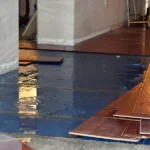
Wood flooring may show blistered spots or cracks when termites feed below the surface. These signs often look like normal wear, yet they appear without heavy foot traffic or impact. Pay close attention to floors near exterior walls or plumbing lines. Damage in these areas may be due to moisture sources that attract termites.
Small Holes or Wood Dust Near Trim
Drywood termites leave small exit holes in wood. They push out waste material called frass, which looks like fine sawdust or sand. Check window frames, attic beams, and wooden furniture for tiny piles of debris. Unlike dirt, frass often feels gritty and uniform in size.