 admin
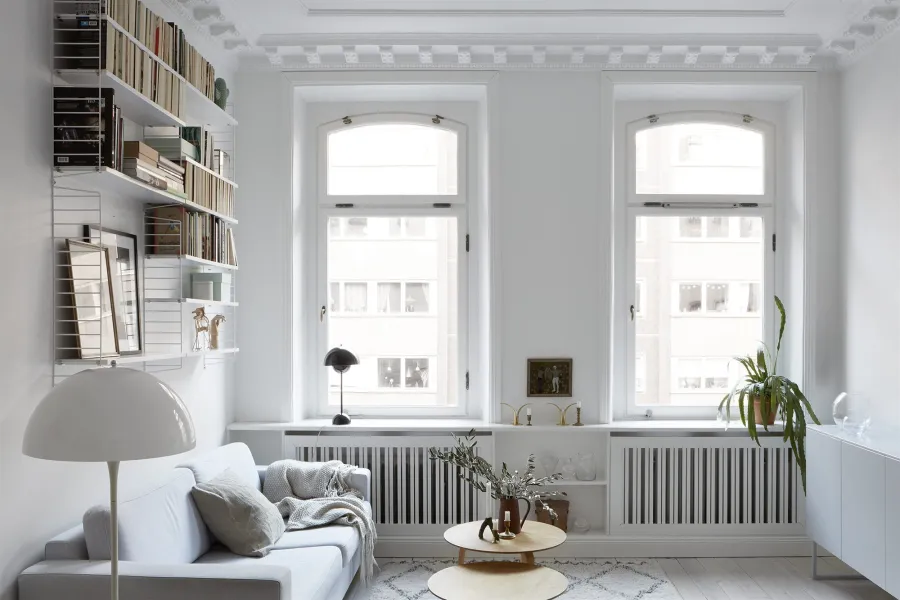
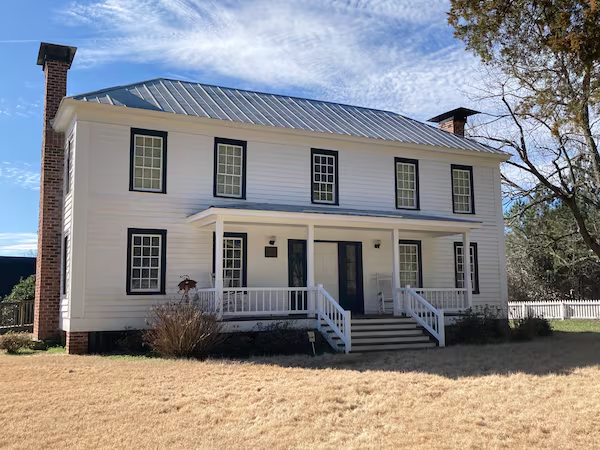
admin Historical homes have a charm and uniqueness that modern properties often lack. From intricate woodwork to stained glass windows, these homes hold stories of the past. However, making them functional for contemporary living can be a challenge. With thoughtful planning and careful execution, you can modernize a historical home without compromising its character. Here’s how to strike the perfect balance between old and new. Get your anti-graffiti film here.
Assessing the Home’s Current Condition
Documenting Historical Features
Start by identifying the elements that define your home’s character, such as moldings, fireplaces, flooring, and windows. Use photographs and detailed notes to document their current state. This will guide you in preserving these features during renovations.
Understanding Structural Integrity
Engage professionals to assess the foundation, roof, and overall structure. Addressing structural issues early ensures your renovations are built on a stable foundation.
Prioritizing Updates
Create a list of necessary repairs and updates, distinguishing between essentials like plumbing and optional changes like decor updates. A phased renovation plan can help manage costs and time effectively.
Updating Essential Systems
Modernizing Electrical and Plumbing Systems
Old wiring and pipes can be hazardous and inefficient. Replace them with modern systems, but use conduits and access points to minimize disruption to walls and finishes.
Upgrading Heating, Ventilation, and Air Conditioning (HVAC)
Install energy-efficient HVAC systems. Ductless or concealed systems are ideal for preserving historical features while ensuring comfort.
Improving Insulation and Energy Efficiency
Add insulation in attics and walls without disturbing interior details. Seal windows and doors to improve energy efficiency while retaining original frames.
Preserving Architectural and Decorative Features
Restoring Original Woodwork and Trim
Clean and refinish woodwork using period-appropriate stains and finishes. Avoid over-sanding, which can erase intricate details.
Saving Historical Windows
Instead of replacing, repair and reglaze original windows. Add storm windows or UV-protective coatings to enhance functionality.
Maintaining Original Flooring
Refinish hardwood floors and repair damaged tiles with materials that mimic the original design. Use rugs to protect high-traffic areas.
Preserving Decorative Details
Restore plaster moldings, medallions, and carvings. For intricate designs, consult professional artisans.
Incorporating Modern Amenities
Upgrading Kitchens and Bathrooms
Design functional kitchens and bathrooms that blend modern needs with historical aesthetics. Use period-appropriate fixtures and materials for a seamless look.
Adding Technology Discreetly
Integrate smart home features like lighting and security systems without detracting from the home’s character. Conceal wiring within walls or cabinetry.
Creating Multi-Functional Spaces
Repurpose underused rooms into home offices, playrooms, or entertainment areas. Ensure updates respect the home’s architectural style.
Expanding Living Spaces
Add extensions that complement the original structure. Use matching materials and designs to maintain aesthetic harmony.
Enhancing Comfort While Retaining Charm
Lighting Improvements
Combine modern lighting solutions, like LED fixtures, with original light fittings. Use accent lighting to highlight unique features.
Furniture and Decor
Mix antique furniture with contemporary pieces for a cohesive look. Choose decor that reflects the home’s historical period while catering to modern tastes.
Color Palette and Finishes
Opt for historical color palettes with modern, durable paints. Incorporate patterns and textures reminiscent of the home’s era.
Floor Plan Adjustments
Carefully open up spaces to enhance functionality without losing architectural integrity. Retain as much of the original layout as possible.
Navigating Regulatory Requirements
Understanding Local Heritage Laws
Research regulations governing modifications to historical properties. Work with local heritage committees to secure necessary permits.
Compliance with Building Codes
Ensure updates meet modern safety standards without compromising historical features.
Grants and Financial Assistance
Explore funding options like grants and tax incentives specifically for heritage properties.
Sustainable Modernization
Eco-Friendly Upgrades
Install solar panels discreetly or in non-visible areas. Choose energy-efficient appliances and sustainable materials.
Reusing and Recycling Materials
Salvage original materials like wood, bricks, and tiles. Incorporate reclaimed materials to match the home’s style.
Low-Impact Renovation Techniques
Minimize demolition and waste by opting for non-invasive insulation and energy retrofits.
Working with Professionals
Choosing the Right Team
Hire architects, contractors, and craftsmen experienced in historical renovations. Review their previous projects to ensure quality work.
Establishing a Vision
Communicate your goals for modernization while preserving character. Collaborate with professionals to achieve a balanced result.
Regular Inspections During Renovations
Monitor progress to ensure historical elements are preserved. Address unexpected challenges promptly with expert advice.
Inspiring Case Studies
Examples of Successfully Modernized Historical Homes
Showcase homes that have blended modern living with historical authenticity. Include before-and-after photos for inspiration.
Lessons Learned from Homeowners
Share practical advice from others who have modernized their historical homes, highlighting challenges and creative solutions.
Conclusion
Modernizing a historical home is a rewarding journey that combines respect for the past with the comforts of modern living. By carefully planning updates, preserving architectural details, and incorporating modern amenities thoughtfully, you can enjoy the best of both worlds. Start your project today and create a home that honors its history while meeting your contemporary needs.